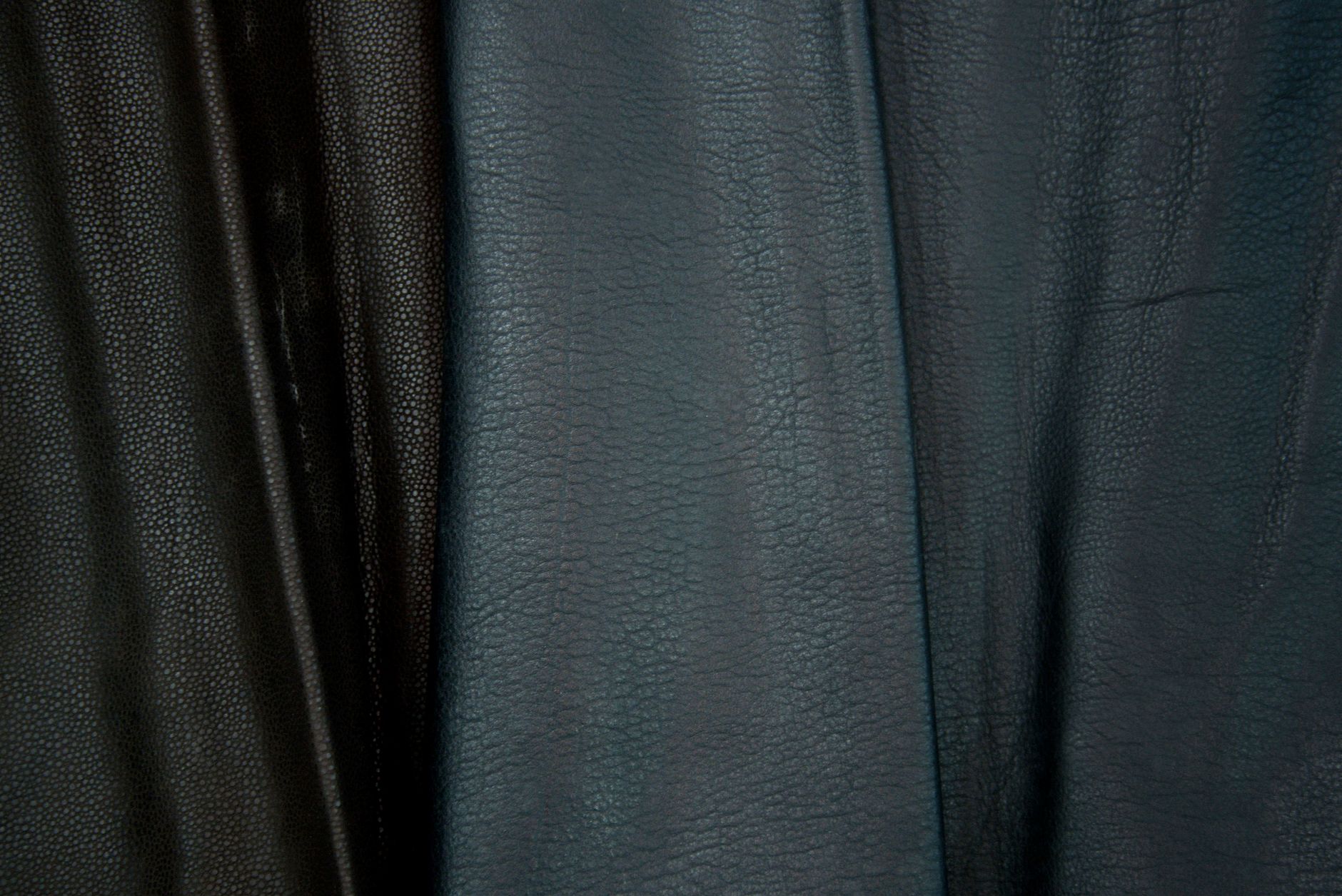
Understanding the Spectrum: Leather Chemistry & Substrates
When you step into a high-end furniture showroom or browse premium leather goods, you are often bombarded with terms like "Full Grain," "Top Grain," and "Aniline." However, the most critical factor determining how your leather will look, feel, and age is the finish. To understand the debate of pigmented vs semi aniline pull up leather, we must first look at leather chemistry and substrates.
The substrate is the raw hide itself. Once a hide is tanned, it is categorized based on its clarity. Hides with few natural scars or insect bites are reserved for aniline and semi-aniline finishes. Hides with more significant surface imperfections are often destined to become pigmented leather. The "chemistry" involves how tanneries apply dyes, pigments, oils, and waxes to these substrates.
While aniline leather is dyed through with transparent dyes (leaving the "naked" grain visible), the variants we are discussing today—pigmented, semi-aniline, and pull-up—all involve additional layers of surface treatment that change the performance profile of the material.
Pigmented Leather: The Protected Powerhouse
Pigmented leather, often referred to as "protected" or "finished" leather, is the most common type found in the automotive industry and high-traffic commercial furniture.
How It’s Made
In pigmented leather chemistry, the surface of the hide is coated with a layer of opaque pigments (essentially a specialized leather paint) followed by a clear protective topcoat. If the original hide had many imperfections, the surface might be "corrected"—meaning it was lightly sanded down—and then embossed with an artificial grain pattern to ensure uniformity.
Performance and Aesthetics
Because the surface is sealed, pigmented leather is remarkably resistant to fading, scratching, and staining. Liquids tend to bead up on the surface rather than soaking in. However, the trade-off is the "hand-feel." Pigmented leather feels cooler to the touch and less "fleshy" or soft than its counterparts because the pores of the hide are sealed.
Pros:
- Extreme durability and easy cleaning.
- Highly resistant to UV fading.
- Consistent color across the entire hide.
Cons:
- Less breathable than aniline variants.
- Does not develop a natural patina; it simply wears out over decades.
Semi-Aniline Leather: The Sophisticated Compromise
If pigmented leather is the "utilitarian" choice and pure aniline is the "purist" choice, semi-aniline is the sophisticated middle ground. It is designed for the consumer who wants the soft, supple feel of natural leather but requires a bit of insurance against spills.
The Chemistry of Balance
Semi-aniline leather begins with a high-quality hide that is dyed through with aniline dyes. However, unlike pure aniline, a very thin, translucent layer of pigment is applied to the surface. This layer acts like a "toner" in makeup—it evens out the color and masks minor blemishes without completely obscuring the natural grain. A light protective finish is then applied over the pigment.
The User Experience
When comparing pigmented vs semi aniline, the semi-aniline option feels significantly softer and warmer. You can still see the natural "fat wrinkles" and pore structures of the animal, but the leather is much more forgiving if you spill a glass of water or a drop of wine.
Pull-Up Leather: The Living Heirloom
Pull-up leather is a favorite among enthusiasts of the "distressed" or "vintage" look. It is a sub-type of aniline leather that has been heavily infused with oils and waxes.
The "Pull-Up" Effect
The term "pull-up" refers to a specific visual phenomenon. When the leather is stretched, folded, or pulled, the oils and waxes migrate within the hide, causing the color to lighten in those areas. This creates a beautiful, multi-tonal "burst" of color.
Durability Through Character
Pull-up leather is not "protected" in the same way pigmented leather is. It scratches easily. However, because it is so saturated with oils, you can often "heal" a light scratch by simply rubbing it with your thumb; the heat and friction redistribute the oils to fill in the mark. Over time, pull-up leather develops a rich patina that tells the story of its use.
Side-by-Side Comparison: Pigmented vs. Semi-Aniline vs. Pull-Up Leather
To help you visualize the technical differences, the following table breaks down the key characteristics of these three finishes.
| Feature | Pigmented Leather | Semi-Aniline Leather | Pull-Up Leather |
|---|---|---|---|
| Surface Coating | Opaque Pigment + Thick Topcoat | Translucent Pigment + Thin Topcoat | Oils and Waxes (No Opaque Pigment) |
| Natural Markings | Mostly Hidden/Embossed | Partially Visible | Fully Visible |
| Hand-Feel | Firm, Consistent, Cool | Soft, Supple, Natural | Waxy, Silky, "Fleshy" |
| Breathability | Low | Moderate to High | High |
| Maintenance | Low (Wipe with damp cloth) | Moderate (Leather Cream) | High (Requires Re-oiling) |
| Aging Process | Stays the same until it cracks | Gains slight character | Develops deep, rich patina |
| Best Use Case | Kids, Pets, Car Seats | Luxury Living Rooms | Boutique Handbags, Heritage Boots |
Understanding Pigmented vs. Semi-Aniline vs. Pull-Up Leather Finishes: How to Choose
Choosing between these three isn't about finding the "best" leather—it's about finding the best leather for your lifestyle.
1. Evaluate Your Environment
If you have young children, large dogs with sharp claws, or a sunny room where the sun beats down on the furniture, Pigmented Leather is your champion. It won't sun-bleach easily, and most "accidents" can be cleaned with mild soap and water.
2. Seek the Sensory Experience
If you value the touch and smell of leather and want a piece of furniture that feels "inviting" rather than "industrial," Semi-Aniline is the gold standard. It offers enough protection for an adult household while maintaining the luxury of a natural hide.
3. Embrace the Evolution
If you view scratches and color shifts as "character" rather than "damage," Pull-Up Leather is the only choice. It is a "living" material. A pull-up leather sofa will look completely different in year five than it did on day one, becoming a personalized antique.
Maintenance and Care Strategies
Each of these leathers requires a distinct chemistry of care.
- For Pigmented Leather: Use a water-based cleaner. Avoid heavy oils or conditioners, as they cannot penetrate the pigmented seal and will only sit on top, attracting dust.
- For Semi-Aniline Leather: Use a dedicated leather protection cream. This helps maintain the moisture balance of the hide while reinforcing the light protective barrier.
- For Pull-Up Leather: You will need a wax-based conditioner or a "pull-up cream." When the leather begins to look dry or loses its "burst" effect, applying a wax-heavy conditioner will rejuvenate the oils and restore the depth of color.
Conclusion: The Final Verdict
In the battle of pigmented vs semi aniline pull up leather, the winner is determined by your tolerance for maintenance and your aesthetic preference.
Pigmented leather is the king of utility. Semi-aniline is the master of elegance. Pull-up leather is the soul of craftsmanship. By understanding the chemistry behind these finishes—from the opaque shields of pigmented hides to the shifting oils of a pull-up—you can make an investment that lasts a lifetime and ages exactly the way you intended.