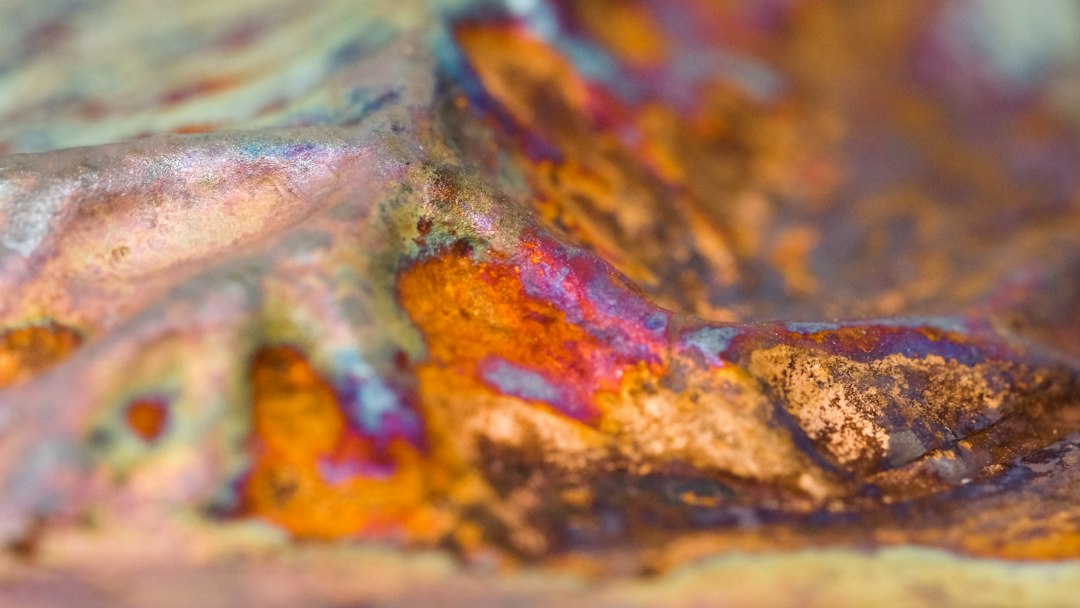
Introduction to the Science of Patina Vegetable Tanned Leather
When you hold a brand-new vegetable-tanned leather wallet, bag, or belt, you are holding only the first chapter of its life. Unlike synthetic materials or heavily coated leathers designed to remain static, vegetable-tanned leather is engineered by nature and traditional craftsmanship to change. It breathes, reacts, and transforms.
The visual and tactile evolution of this material is known as a patina. Far from being mere "wear and tear," a well-developed patina is a chemical masterpiece. Understanding the science of patina vegetable tanned leather requires looking beneath the surface into protein structures, organic tannins, and environmental interactions. This comprehensive guide explores why and how this unique transformation occurs, diving deep into leather chemistry and substrates to reveal the forces shaping your favorite leather goods.
Understanding the Foundation: Leather Chemistry & Substrates
To understand why a patina forms, we must first examine what vegetable-tanned leather actually is at a microscopic level. An animal hide is primarily composed of a fibrous protein called collagen. In its raw, untanned state, collagen is putrescible—it will rot when exposed to moisture and bacteria. Tanning is the process of stabilizing these protein chains so they become durable, flexible, and resistant to decay.
The Role of Natural Tannins
The defining feature of vegetable tanning is the use of natural polyphenol compounds—tannins—extracted from organic materials such as chestnut wood, mimosa bark, quebracho, and oak galls. Unlike modern industrial methods that rely on chromium salts, vegetable tanning is a slow process that can take anywhere from weeks to months.
During this time, tannin molecules permeate the collagen matrix. They form stable hydrogen bonds and cross-links with the active sites on the collagen fibers. However, because vegetable tannins do not completely saturate every single reactive site in the way heavy mineral salts do, the leather substrate remains porous, reactive, and organically "alive."
Open-Grain Structure and Porosity
The upper layer of the hide, known as the grain layer, features a dense network of tight collagen fibers. In vegetable-tanned leather, this grain is left largely uncorrected and unsealed by plastic topcoats. This creates microscopic pathways that eagerly absorb ambient moisture, natural skin oils, and airborne particulates. The Leather Chemistry & Substrates dictate that because the fibers are bound by natural tannins rather than synthetic resins, the material responds dynamically to every touch, drop of rain, and ray of sunlight.
The Catalysts of Transformation: How Hides Age and Absorb Oils
The phrase The Science of Patina: How Vegetable-Tanned Hides Age and Absorb Oils encapsulates the core mechanism of leather evolution. A patina does not happen by accident; it is the direct result of physical handling and environmental exposure acting upon the tanned collagen matrix.
The Human Element: Sebum and Sweat
The most significant driver of patina is human interaction. Human skin continuously secretes sebum—a complex mixture of triglycerides, wax esters, squalene, and free fatty acids—along with trace amounts of sweat (water, salt, and urea).
When you touch a vegetable-tanned leather item, these organic lipids are transferred to the surface. Capillary action pulls these oils into the porous grain structure. As these natural oils migrate deep into the collagen fibers, they displace air pockets within the matrix. This reduces light scattering, causing the leather to darken and take on a rich, translucent gloss. Furthermore, these trapped oils slowly oxidize over time, shifting the color profile from a pale, raw beige to a deep, warm amber, chestnut, or mahogany.
Photochemical Oxidation (Sunlight)
Light is another powerful catalyst. Ultraviolet (UV) radiation and visible light trigger photochemical reactions within the organic tannins and the collagen substrate. Much like wood darkens when exposed to sunlight (a process called photo-oxidation), vegetable-tanned leather responds to photons by altering its molecular structure. This sun-induced tanning deepens the baseline color of the leather, creating a sun-kissed gradient that complements the oil-rich areas handled by your hands.
Vegetable-Tanned vs. Chrome-Tanned Leather Patinas
To truly appreciate the science behind vegetable-tanned leather, it helps to compare it with its industrial counterpart: chrome-tanned leather. The choice of tanning agent fundamentally dictates how the material ages.
| Feature | Vegetable-Tanned Leather | Chrome-Tanned Leather |
|---|---|---|
| Tanning Agent | Natural plant tannins (bark, wood, leaves) | Chromium sulfate and chemical salts |
| Patina Potential | High; darkens, softens, and develops rich character | Low; coated with synthetic finishes to resist change |
| Water Reactivity | Absorbs moisture readily; water spots initially, blends over time | Repels moisture due to chemical treatments and topcoats |
| Aging Process | Organic oxidation, oil absorption, and abrasion | Fades, cracks, or peels as synthetic topcoats degrade |
| Environmental Impact | Biodegradable, uses renewable plant extracts | Toxic wastewater runoff if not strictly managed |
While chrome-tanned leather is prized for its uniform color and immediate softness, it cannot replicate the organic narrative of a vegetable-tanned hide. Chrome tanning locks the fibers in a static state, whereas vegetable tanning sets the stage for a lifelong chemical collaboration between the owner and the material.
The Physical Mechanics of Wear: Grain Compression and Burnishing
Chemical reactions tell only half the story. The physical mechanics of friction, pressure, and abrasion also play a critical role in shaping the patina of vegetable-tanned leather.
Friction and Burnishing
Every time a leather edge rubs against your pocket seam, or your palm slides across a knife handle, mechanical friction is at work. This friction generates microscopic heat and pressure, physically compressing the raised micro-fibers of the grain flat.
As these fibers are pressed into a smooth, uniform plane, they reflect light more specularly. This creates a lustrous, polished finish known as burnishing. Areas of high friction—such as corners, edges, and points of grip—develop this sheen much faster than recessed areas, creating a natural three-dimensional contrast that highlights the item's form.
Denting and Draping
Unlike stiff, heavily corrected leathers that crack under sharp impacts, quality veg-tan leather possesses a ductile memory. When subjected to a sharp blow or deep crease, the fibers compress rather than snap. Over time, oils migrate into these stressed zones, softening the crease and integrating it into the overall texture of the piece. The leather records your life's milestones—scuffs from keys, scratches from coins, and soft depressions from fingers—turning imperfections into a badge of authenticity.
Cultivating and Accelerating the Patina Process Safely
While a patina develops naturally over months and years of use, many leather enthusiasts look for ways to jumpstart or guide the process. However, improper conditioning can clog pores or ruin the leather. Here is how to work with the science of the hide:
- Clean the Surface First: Before applying any oils or conditioners, wipe the leather with a dry or slightly damp microfiber cloth to remove surface dirt and grit that could scratch the grain during rubbing.
- Choose Natural Conditioners: Use products formulated with natural fats, such as neat's-foot oil, mink oil, or specialized leather balms containing beeswax and lanolin. Avoid petroleum-based mineral oils, which can rot natural stitching and over-soften the structural integrity of the leather.
- Sunlight Exposure: Sun-bathing your leather items in indirect, gentle sunlight for short periods can accelerate the photo-oxidation of tannins. Avoid harsh, direct midday sun, which can dry out the collagen and cause thermal cracking.
- Regular Handling: The absolute best way to build a patina is simply to use the item daily. The natural sebum from your hands is chemically optimized to interact with the tannins already present in the hide.
Conclusion
The science of patina vegetable tanned leather is a fascinating intersection of organic chemistry, physics, and human habit. It transforms a utilitarian object into a personal chronicle. By understanding how collagen fibers, natural polyphenols, skin sebum, and UV light interact at a microscopic level, we gain a deeper appreciation for the craftsmanship behind durable leather goods. A vegetable-tanned hide does not merely age; it evolves, adapting to your lifestyle and bearing the distinct signature of time well spent.