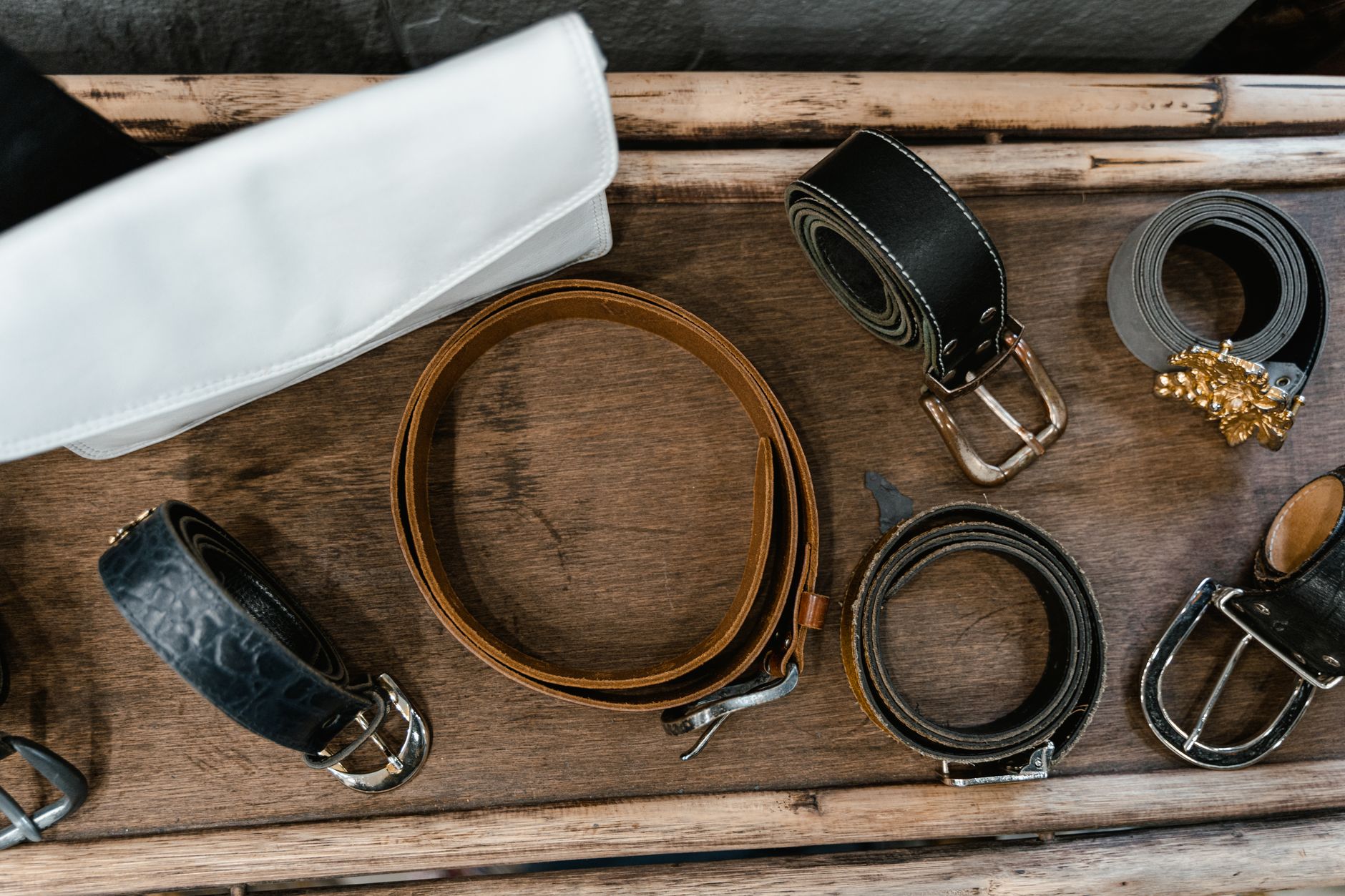
When investing in high-end leather goods—whether it is an heirloom-quality briefcase, a bespoke jacket, or a mid-century modern sofa—understanding the raw material is paramount. Not all leather is created equal, and the terminology used by manufacturers can often obfuscate the true quality of the product. At the heart of the leather debate are two premium grades: full grain and top grain.
Analyzing full grain vs top grain leather properties reveals stark differences in structural integrity, aging characteristics, aesthetic evolution, and value. This comprehensive guide breaks down the science, processing methods, and practical performance indicators of these two elite leather types, ensuring you can make an educated purchasing decision.
Anatomy of a Hide: Leather Chemistry & Substrates
To truly understand leather properties, one must look at the biological structure of an animal hide. A raw animal skin is composed of dense collagen fibers arranged in a multi-directional matrix. This matrix gives leather its legendary tensile strength, flexibility, and resistance to tearing.
The hide is naturally split into distinct vertical layers during the tanning process:
- The Grain Layer: The outermost stratum of the skin, located immediately beneath the hair. This is where collagen fibers are tightly packed, dense, and interwoven, providing the ultimate barrier against moisture and wear.
- The Corium (Dermis): The thicker, inner layer composed of looser, less organized fibers. While structurally sound, it lacks the tight, protective density of the grain surface.
Understanding Leather Chemistry & Substrates allows us to see why the outermost millimeter of the hide dictates the lifespan of the finished product. Tanning agents—whether vegetable-based tannins or modern chrome salts—bind to these collagen proteins at a molecular level. How a tannery interacts with this upper grain layer dictates whether the final product becomes full grain, top grain, or corrected leather.
Defining Full-Grain Leather Properties
Full grain leather is widely considered the gold standard of the leather industry. By definition, it utilizes the entire thickness of the grain layer with absolutely no modifications.
When a hide is designated as full grain, the hair is removed, but the surface is left completely untouched. Tanners do not sand, buff, or scrape away the outer layer. Because of this, every natural characteristic of the animal’s life remains visible on the surface.
Key Characteristics of Full-Grain Leather:
- Unrivaled Durability: Because the dense collagen fibers at the surface remain intact, full grain leather resists punctures, tearing, and heavy abrasions far better than any other leather grade.
- Exceptional Patina Development: Full grain leather breathes naturally. Over time, exposure to natural skin oils, sunlight, and handling causes the leather to darken, soften, and develop a rich, glossy sheen known as a patina.
- Authentic Imperfections: Range marks, insect bites, healed scars, and subtle grain variations are celebrated features, proving the authenticity of the material.
- Moisture Resistance: The natural grain acts as a moisture barrier. While not completely waterproof, untreated full grain naturally sheds light liquid spills better than sanded alternatives.
Exploring Top-Grain Leather Properties
Top grain leather is the second-highest grade of leather and is exceptionally common in high-end furniture and fashion accessories. The term "top grain" often causes confusion because it sounds like it should be the superior tier, but it actually undergoes a transformative mechanical process.
To create top grain leather, the very top millimeter of the hide is lightly sanded or buffed away. This process removes natural surface imperfections, scars, and brand marks. Once the surface is mechanically leveled, an artificial grain pattern is often embossed onto the leather, followed by a finishing coat or pigment spray.
Key Characteristics of Top-Grain Leather:
- Uniform Aesthetic: Because surface blemishes are sanded away, top grain leather offers a clean, flawless, and uniform appearance across large surface areas.
- Softer Initial Feel: The sanding process and subsequent finishing often make top grain leather feel softer and more pliable right out of the box, requiring virtually no break-in period.
- Stain and Fade Resistance: The application of protective topcoats and pigments seals the pores, making top grain more resistant to stains, fading, and liquid absorption.
- Reduced Long-Term Durability: By removing the tightest part of the grain and applying surface coatings, the leather loses some of its inherent breathability and structural resilience over decades of use.
Side-by-Side Comparison: Full Grain vs Top Grain
To help visualize how these two materials stack up against each other in real-world scenarios, review the comprehensive comparison table below.
| Property | Full-Grain Leather | Top-Grain Leather |
|---|---|---|
| Surface Layer | 100% intact; unbuffed and unsanded | Buffed/sanded to remove imperfections |
| Durability & Lifespan | Decades to lifetimes; incredibly resilient | High durability, but degrades faster than full grain |
| Aging & Patina | Develops a rich, unique patina over time | Maintains original color; resists patina development |
| Aesthetic Consistency | Natural variations, scars, and range marks | Highly uniform, smooth, and flawless finish |
| Breathability | High; pores remain completely open | Moderate to low; sealed by finishes and pigments |
| Maintenance Needs | Requires periodic conditioning to stay supple | Low maintenance due to protective topcoats |
| Common Applications | Heritage boots, heavy-duty briefcases, saddles | Luxury handbags, high-end automotive interiors, sofas |
Understanding Grain Types: Full-Grain, Top-Grain, and Corrected Leather Properties
When navigating the market, it is vital to expand our vocabulary beyond just the top two tiers. Understanding Grain Types: Full-Grain, Top-Grain, and Corrected Leather Properties allows discerning buyers to avoid misleading marketing tactics such as "genuine leather" (which is often the lowest quality split suede treated with heavy synthetic coatings).
Corrected grain (sometimes referred to as embossed or corrected leather) takes the sanding process a step further than top grain. If a hide is heavily scarred or of lower initial quality, manufacturers aggressively sand down the entire grain surface, removing up to two millimeters of material. They then stamp an artificial heavy pebble grain onto the surface and apply a heavy polymer coating.
While corrected leather looks uniform, it lacks the tensile strength, breathability, and aging potential of both full grain and top grain variants. Knowing these distinctions ensures you pay a fair price for the actual structural integrity you are receiving.
Maintenance, Care, and Longevity
Regardless of whether you choose full grain or top grain, proper maintenance dictates how well your investment ages. However, their unique chemical and structural properties mean they require slightly different care regimens.
Caring for Full-Grain Leather
Because full grain leather is porous and breathable, it drinks in conditioning oils readily.
- Clean gently: Wipe down with a damp, lint-free cloth to remove surface dust.
- Condition regularly: Apply a high-quality natural mink oil, tallow, or beeswax-based leather conditioner every 6 to 12 months to replenish natural oils and prevent cracking.
- Avoid harsh chemicals: Never use household detergents or alcohol-based cleaners, which strip the natural collagen bindings.
Caring for Top-Grain Leather
Top grain leather features a protective seal, meaning heavy oils may sit on the surface rather than penetrating.
- Use specialized cleaners: Opt for pH-balanced leather cleaners specifically formulated for finished or semi-aniline leathers.
- Protect the topcoat: Use water-based leather protectors that shield the pigment and topcoat from UV degradation and cracking.
- Prevent scratches: While top grain resists minor scuffs, deep gouges that penetrate the protective topcoat are difficult to repair because the underlying sanded surface is exposed.
Making the Final Decision: Which Should You Choose?
Choosing between full grain and top grain ultimately comes down to your personal lifestyle, aesthetic preferences, and intended use.
Opt for full grain leather if you value heritage, extreme longevity, and the organic evolution of a natural patina. If you are purchasing an item that you want to pass down to the next generation—such as a leather travel duffel, a work bag, or rugged footwear—full grain is the undisputed champion.
Opt for top grain leather if your priority is a sleek, uniform aesthetic that looks identical on day one as it does on year five. It is an exceptional choice for modern living room furniture, sleek fashion accessories, and environments where liquid resistance and low maintenance are top priorities.