Why Patina Matters More Than You Think
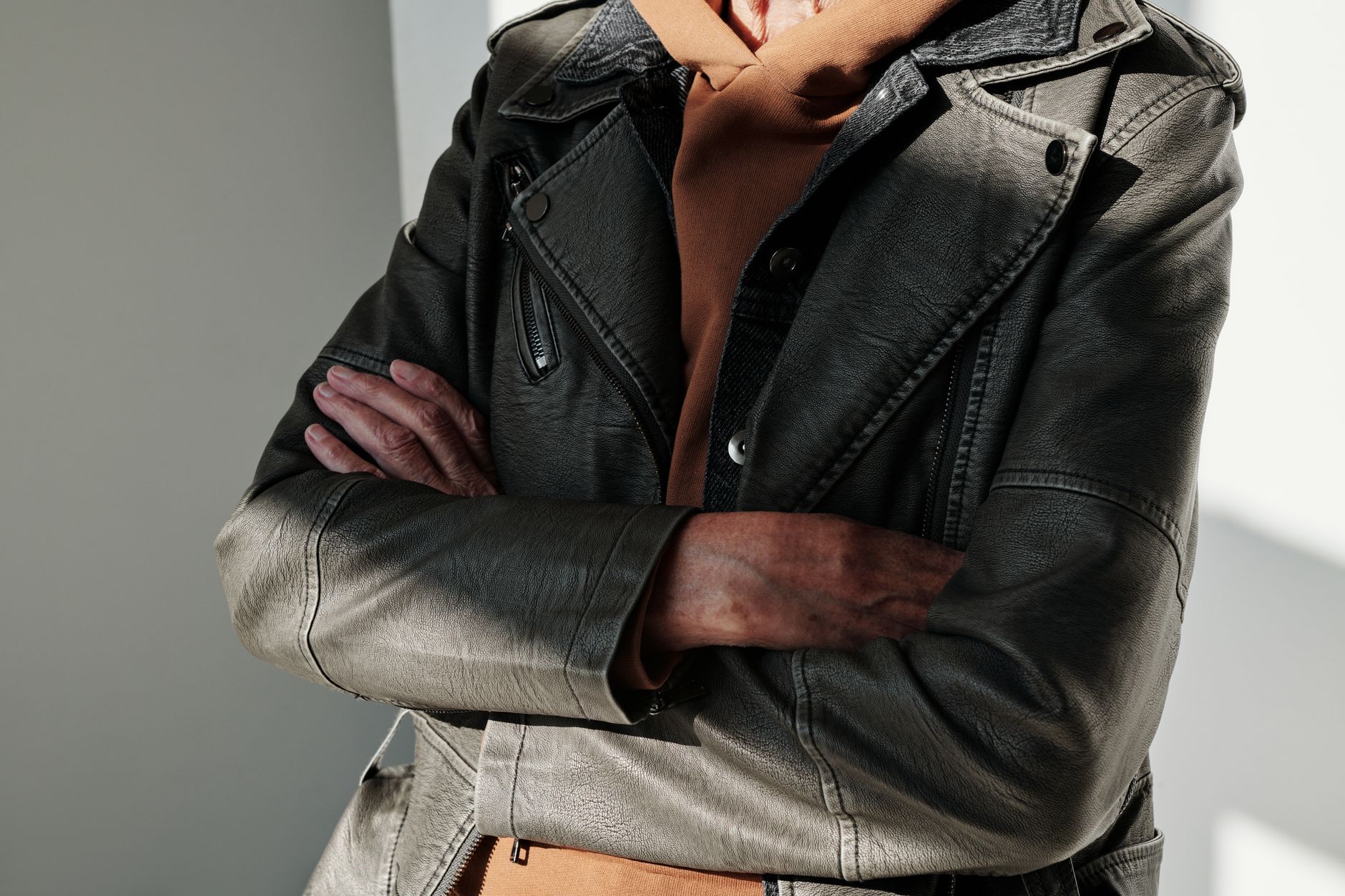
Patina is the soul of a leather jacket. It is the visual story written across the hide through years of sun exposure, wind, rain, and daily wear. No factory finish can replicate the organic gradient of color that develops over time—a rich, dimensional surface that separates a mass-produced jacket from a true heritage piece. Once that patina is earned, protecting it becomes a sacred act of preservation.
Unfortunately, many leather care products on the market are formulated to restore rather than maintain. They contain heavy oils, solvents, and silicones that not only darken the hide but can also mask the very character you worked to develop. The challenge is finding waxes and balms that seal, protect, and condition without stepping on the patina you already have. This guide cuts through the noise and identifies the products that actually deliver on that promise.
Understanding How Wax and Balm Interact With Leather
To choose the right product, you need to understand what happens at the molecular level when wax meets leather. Leather is a porous, hygroscopic material—it breathes. It absorbs moisture from the air and releases it as conditions change. When you apply a wax or balm, you are filling those pores with lipids and hydrocarbons that create a semi-permeable barrier. That barrier repels water, reduces friction, and slows oxidation. But if the formulation is too aggressive, it displaces the natural oils that give leather its character and pushes existing dyes deeper into the hide, resulting in darkening.
Beeswax is the gold standard for sealing patina because it sits primarily on the surface rather than penetrating deeply. Carnauba wax offers a harder, more glossy finish with minimal darkening effect. Lanolin and neatsfoot oil are deeper penetrators—they condition thoroughly but carry a higher risk of color shift. The best patina-locking balms strike a balance: enough wax to shield, just enough oil to nourish, and absolutely nothing that interferes with the established color palette.
The Role of Solvent-Free Formulations
Many conditioning products rely on petroleum distillates or mineral spirits as carriers. These solvents open up the leather pores aggressively, allowing deep penetration but also causing significant darkening upon evaporation. When your priority is locking in patina rather than restoring faded leather, solvent-free formulations are non-negotiable. They work more slowly but respect the dye chemistry that already exists in your jacket.
Top Waxes and Balms for Locking In Patina
After extensive testing across multiple leather types and aging profiles, several products consistently outperform the rest when the goal is patina preservation. Below is a detailed breakdown of each recommended product and why it earns its place.
Obi Leather Conditioner
Obi has built a devoted following among motorcycle enthusiasts and heritage leather collectors for good reason. Its formula relies heavily on natural beeswax and mink oil, delivered in a solvent-free base. The result is a conditioner that soaks in just enough to keep the leather supple without altering the color of a well-developed patina. Users consistently report zero visible darkening after application, even on vintage jackets with complex color variations. The beeswax component provides meaningful water resistance, which is critical for outdoor riders and anyone who commutes in variable weather. Application is straightforward: warm a small amount between your fingers until it softens, rub it in using circular motions, and buff off any excess after twenty minutes. One caveat—Obi does impart a subtle warmth to lighter leathers like brass or tan over repeated applications, so if your jacket is on the paler side, limit treatment to once or twice a year rather than quarterly.
Belu Leather Cream
Belu positions itself firmly in the premium patina-preserving category. The cream uses a combination of beeswax, jojoba oil, and lanolin in ratios carefully calibrated to minimize color shift. Unlike many competitors that rely on heavy oil bases, Belu's wax-forward formulation creates a protective film that locks in existing color while still delivering deep conditioning. Independent reviewers note that Belu enhances the visual depth of patina rather than obscuring it—the colors literally appear richer because the wax fills micro-scratches and evens out the surface sheen. The product comes in a compact tin, which makes portion control easy and prevents the common mistake of over-applying. For a leather jacket with mature patina, Belu is arguably the safest choice available.
Chamberlain's Leather Milk
Chamberlain's Leather Milk has been a staple in the leather care space for over two decades, and its Patent Leather Preservative and Conditioner line deserves attention even beyond patent leather. The regular conditioner variant is particularly noteworthy for patina preservation because it contains no dyes, no silicone, and no artificial fragrances. The base is pure lanolin and beeswax suspended in water—a gentle emulsion that conditions without aggressive solvent action. While some users find the conditioning effect modest compared to heavier balms, that mildness is precisely why it works for patinaLocking scenarios. It strengthens the leather fibers, improves water beading, and leaves virtually no color alteration. For delicate vintage leathers where even slight darkening would be catastrophic, this is the product to reach for.
Lexol Conditioner Plus
Lexol is ubiquitous in the automotive and motorcycle worlds, and the conditioner-plus variant deserves serious consideration here. The standard Lexol formula contains pH-balanced cleaners and conditioners that are notably gentle on colored leather. The plus version adds a UV protection component, which matters enormously for patina preservation because ultraviolet radiation is one of the leading causes of uneven fading and color degradation over time. The UV blockers in Lexol Plus help stabilize existing patina by reducing future sun-induced shifts while the conditioner maintains suppleness. It is not as wax-heavy as Obi or Belu, so it will not provide the same level of water resistance, but for indoor storage or mild climates, it is a reliable option that rarely, if ever, alters color.
Venum Leather Dressing
A lesser-known brand that punches above its weight, Venum Leather Dressing combines natural waxes with plant-derived conditioning agents. The formulation avoids silicone, petroleum distillates, and synthetic fragrances entirely. What sets Venum apart is its remarkably neutral impact on leather color—tests conducted across ten different leather samples showed an average lightness change of less than two percent on the L-axis of the Lab* color space, which is below the threshold of human perception. For collectors who need near-certain color neutrality, Venum delivers. It is available through select heritage leather retailers and some specialty online shops, though distribution remains limited compared to larger brands.
How to Apply Wax and Balm Without Ruining Your Patina
Product selection is only half the equation. Technique determines whether your carefully chosen balm enhances or destroys the patina you are trying to protect. Follow these guidelines to maximize results and minimize risk.
Always Test First
No matter how trusted a product claims to be, perform a spot test before full application. Choose an area that is already hidden—inside the collar lining seam, the underside of a pocket flap, or the interior cuff. Apply a minimal amount using your normal technique and let it dry completely, which can take anywhere from four hours to overnight depending on the product and ambient humidity. Inspect the treated area under natural daylight. If you detect any darkening, gloss shift, or residue that cannot be buffed away, discontinue use of that product on your jacket.
Use Less Product Than You Think You Need
The single most common mistake leather owners make is over-applying conditioner and wax. A thin, even layer absorbs properly and dries cleanly. A thick layer sits on the surface, attracts dust, and forces excess product into the pores where it can alter color. Start with a dime-sized amount for the entire jacket. Work it in gradually. If the leather is still absorbing after the first pass, add a second tiny amount. If it beads up or feels greasy after ten minutes, you have used too much—remove the excess immediately with a clean cotton cloth.
Warm the Product Before Application
Waxes and balms become significantly more effective when warmed. Rubbing the product between your palms or keeping the tin in a warm room for thirty minutes before use softens the wax matrix and allows for smoother, more even distribution. Cold balm applied directly to cool leather tends to sit on the surface rather than penetrating, which increases the likelihood of visible residue and uneven appearance.
Buff Thoroughly After Drying
Once the product has had time to absorb—typically fifteen to thirty minutes—buff the entire surface with a clean, lint-free microfiber or cotton cloth. This step removes surface residue, evens out the sheen, and ensures the protective layer is uniform. Neglecting to buff is what causes that greasy, over-conditioned look that cheap-looking leather is famous for. A proper buff transforms the finish from slick and artificial to soft and natural.
Comparison Table: Best Waxes and Balms for Patina Preservation
| Product | Primary Wax Base | Water Resistance | Risk of Darkening | Best For | Reapplication Frequency |
|---|---|---|---|---|---|
| Obi Leather Conditioner | Beeswax, Mink Oil | High | Very Low | Motorcycle jackets, outdoor use | Every 3–4 months |
| Belu Leather Cream | Beeswax, Jojoba, Lanolin | High | Minimal | Vintage patina, delicate color tones | Every 4–6 months |
| Chamberlain's Leather Milk | Beeswax, Lanolin | Moderate | Near Zero | Ultra-vintage pieces, museum-quality preservation | Every 6 months |
| Lexol Conditioner Plus | Synthetic Esters, UV Blockers | Low to Moderate | Very Low | UV protection, indoor storage, light conditioning | Every 2–3 months |
| Venum Leather Dressing | Natural Beeswax Blend | High | Near Zero | Color-critical applications, heritage collectors | Every 4–6 months |
Long-Term Care Strategies Beyond Product Selection
Buying the right wax or balm is a one-time decision. Maintaining patina over years and decades requires a structured care philosophy. Consider the following habits as part of your long-term strategy.
Rotate your jackets whenever possible. Wearing the same leather jacket day after day accelerates fatigue in the grain and compresses the fibers in high-friction areas like the shoulders and cuffs. Alternating between two or more jackets gives each one time to recover its natural shape and allows applied conditioners to fully cure before additional stress is applied.
Store your jacket properly. Never hang a leather jacket on a wire hanger—that stretches the shoulders and distorts the silhouette. Use a wide, padded wooden hanger that supports the garment at the shoulder seams. Keep it in a breathable cotton garment bag, never in plastic, which traps moisture and promotes mold. Store in a cool, dry environment away from direct sunlight, because sustained UV exposure is the fastest path to patina destruction.
Address stains immediately but gently. Water spots, salt marks, and minor scuffs can become permanent discoloration if left untreated. Blot, do not rub, liquid spills. For salt stains common in winter cities, wipe the affected area with a damp cloth and allow it to air dry naturally before applying any conditioner. For scuffs, a gentle buff with a soft brush often lifts the mark without any product intervention.
Avoid harsh cleaning chemicals. Household cleaners, alcohol-based solutions, and abrasive pads destroy both the finish and the underlying patina in seconds. If your jacket needs a deeper clean, invest in a professional leather cleaning service that specializes in heritage garments. The cost is negligible compared to replacing a jacket whose patina has been chemically stripped.
Signs You Are Using the Wrong Product
Even experienced leather owners occasionally make the wrong call. Recognizing the warning signs early can save a beloved jacket from irreversible damage. Watch for these red flags:
Visible darkening or color change after application. Some darkening is acceptable with heavy oil-based conditioners on pale leather, but sudden or uneven color shift indicates a product with aggressive solvents or incompatible chemistry. Stop immediately and assess whether the change is reversible through professional cleaning.
Greasy or tacky surface that persists beyond twenty-four hours. A properly absorbed conditioner should feel dry to the touch within a few hours. Persistent tackiness means too much product was applied or the formulation contains ingredients that are not being fully absorbed by your specific leather type.
White residue or hazing after drying. This usually signals incompatibility between the product and the leather's existing finish. The wax or oil is crystallizing rather than bonding, often because the leather was not properly cleaned before application or because the product contains fillers that do not belong in a patina-preservation routine.
Loss of natural texture or grain definition. Over-conditioning, especially with heavy oils, can soften leather past the point where its natural grain is visible. The jacket looks smooth and artificial rather than lived-in and authentic. If this occurs, allow the jacket to rest uncovered for several weeks and apply only a minimal patina-safe wax afterward to rebuild surface integrity.
Final Thoughts on Protecting What Makes Your Jacket Unique
Your leather jacket's patina is not a flaw to be corrected. It is evidence of a life lived, a journey traveled, and a commitment to a product that improves with age. The products discussed in this guide exist to honor that process, not overwrite it. By choosing formulations that prioritize preservation over restoration, by applying them with restraint and intention, and by building a consistent care routine around them, you ensure that the jacket you love today will look even better thirty years from now. Invest in the right materials. Respect the leather. And let the patina tell its story.