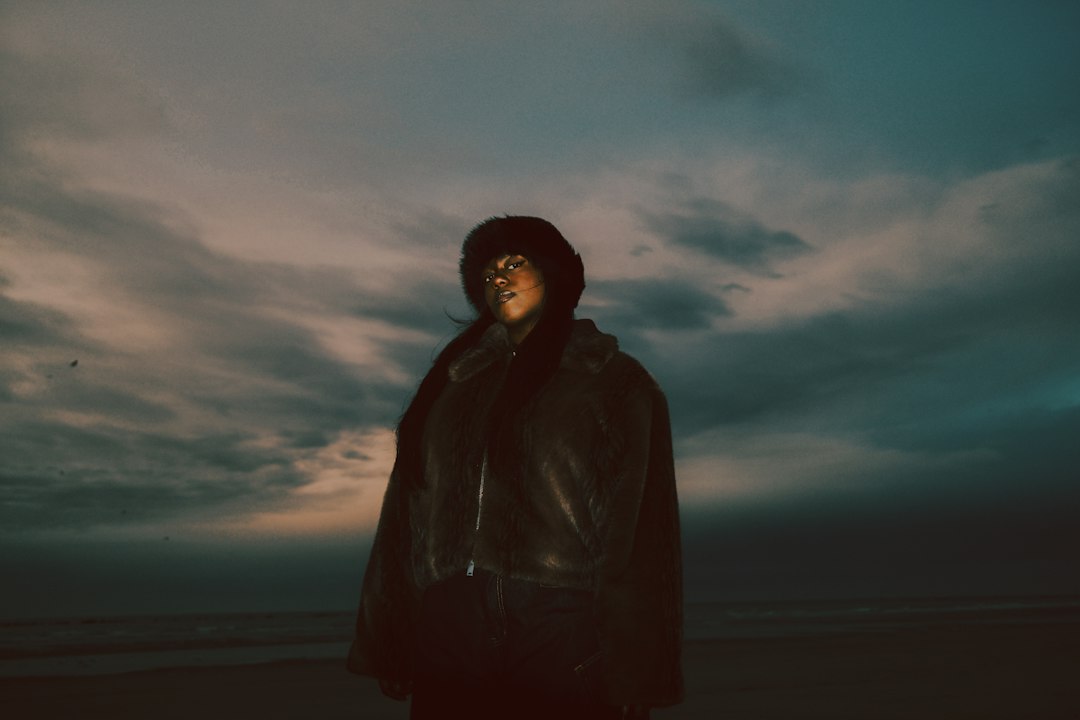
The Allure of Sun-Faded Leather and Patina
Leather jackets are more than just garments; they are storytellers. Each scratch, each crease, and each sun-faded patch whispers tales of adventures, of time spent under the open sky, and of a life well-lived. The natural aging process of leather, known as patina, is celebrated by enthusiasts worldwide. But what happens when sun fading becomes excessive, leaving the leather dry, brittle, and faded? And what if you want to accelerate this beautiful transformation? This comprehensive guide will walk you through conditioning sun-faded leather jackets and mastering techniques to accelerate patina formation, ensuring your jacket not only survives but thrives.
The Science Behind Leather Aging
Leather is a natural material, primarily composed of collagen fibers. When exposed to sunlight, particularly UV radiation, these fibers break down, leading to fading and drying. This process, while gradual, can be accelerated intentionally. Patina, on the other hand, is the result of oils from skin, exposure to air, and general wear, creating a unique sheen and color variation. Understanding these processes is key to both restoration and acceleration.
Why Consider Accelerating Patina?
Not everyone has the time or patience to wait years for a natural patina to develop. Whether you're restoring a vintage piece or simply want to give your new jacket a seasoned look, accelerating patina can be a rewarding DIY project. It allows you to control the outcome, ensuring a consistent and aesthetically pleasing result.
Step-by-Step Restoration Workflows for Sun-Faded Leather Jackets
Before you can think about accelerating patina, you must address any existing damage from sun fading. Restoration is the first step in bringing your leather jacket back to life.
Assessment: Evaluating the Condition
Start by examining your jacket closely. Look for signs of severe drying, cracking, or discoloration. Is the leather still supple, or has it become stiff? This assessment will determine the intensity of the restoration process. For minor fading, a simple conditioning might suffice. For severe cases, a more comprehensive approach is needed. Check for areas where the leather has lost its luster or feels rough to the touch. If the jacket has become inflexible, it may require deep conditioning over several sessions.
Cleaning: The Foundation of Restoration
Before applying any conditioners, the leather must be thoroughly cleaned. Use a leather-specific cleaner to remove dirt, grime, and any residual oils. Avoid harsh soaps or excessive water, as these can damage the fibers. Gently wipe the jacket with a damp cloth, and allow it to air dry completely away from direct heat or sunlight. For stubborn stains, a soft-bristled brush can help lift debris without scratching the surface.
Conditioning: Rehydrating Sun-Stripped Leather
Sun fading strips the leather of its natural oils, leaving it dry and brittle. Conditioning is crucial to replenish these oils. Choose a high-quality leather conditioner containing natural ingredients like lanolin, beeswax, or neatsfoot oil. Apply a small amount to a soft cloth, massage it into the leather in circular motions, and let it absorb for 10-15 minutes before buffing off any excess. This step not only restores moisture but also enhances the leather's flexibility. For severely dried leather, repeat the conditioning process over a few days, covering the jacket with a plastic wrap to help the conditioner penetrate deeply.
Color Correction: Addressing Sun Fade
If the fading has caused discoloration, color correction may be necessary. Leather dyes or touch-up pens can help even out the tone. Test any product on a small, inconspicuous area first. Apply the dye in thin, even layers, allowing each to dry before adding the next. This process requires patience but can significantly improve the jacket's appearance. For a more uniform look, consider using a leather spray dye that can be applied evenly across large areas.
Conditioning and Sun-Fading Techniques to Accelerate Natural Patina Formation
Once your jacket is restored, you can begin the process of accelerating patina. This involves both conditioning and controlled sun-fading.
Choosing the Right Conditioner for Patina Acceleration
Not all conditioners are created equal when it comes to building patina. Look for products that contain oils which will oxidize over time, creating a richer color. Neatsfoot oil, mink oil, and even olive oil (for emergency use) are popular choices. These oils penetrate the leather and, when exposed to air and light, contribute to the patina effect. Avoid conditioners with silicone or petroleum-based ingredients, as they can create a barrier that prevents natural aging.
The Role of Natural Oils in Patina Development
Natural oils from your skin, such as sebum, play a significant role in patina formation. When you wear the jacket regularly, these oils transfer to the leather, creating areas of darker, more polished wear. To mimic this, you can apply a thin layer of oil to specific areas like the cuffs, collar, and pockets where natural wear would occur. This technique, known as "spot oiling," helps create a realistic wear pattern that tells a story of use.
Controlled Sun-Fading: How to Accelerate Patina Safely
Intentional sun-fading requires caution. Too much UV exposure can damage the leather, leading to brittleness. The goal is to mimic decades of natural exposure in a shorter time frame. Place the jacket in direct sunlight for short periods, such as 30 minutes to an hour, and monitor it closely. Rotate the jacket to ensure even exposure. After sun-fading, always condition the leather to replenish any lost oils. For a more dramatic effect, you can use a UV lamp designed for tanning, but this requires extra care to avoid overheating the leather.
The Patina Acceleration Process: A Step-by-Step Guide
- Start with a clean, conditioned jacket.
- Apply a leather oil or conditioner to the areas you want to darken.
- Place the jacket in sunlight for 15-30 minutes. The oil will oxidize, creating a darker patina.
- Repeat the process, gradually increasing exposure time, until the desired effect is achieved.
- Finish by conditioning the entire jacket to seal in the patina. This final step locks in the color and protects the leather from further drying.
Comparative Analysis: Natural vs. Accelerated Patina
To better understand the differences, here's a comparison table:
| Aspect | Natural Patina | Accelerated Patina |
|---|---|---|
| Time Required | 5-10 years of regular wear | 1-3 months with intentional methods |
| Consistency | Uneven, unique to wearer | Can be controlled for evenness |
| Leather Health | Maintained through natural oils | Requires careful conditioning to prevent damage |
| Aesthetic | Gradual, organic change | More pronounced, sometimes artificial look |
| Maintenance | Minimal, occasional conditioning | Regular conditioning needed to maintain |
Maintenance and Long-Term Care for Your Patinated Jacket
Creating a patina is only the beginning. Proper maintenance ensures the leather remains healthy and the patina deepens over time.
Ongoing Conditioning Schedule
Condition your jacket every 3-6 months, or more often if it's worn frequently. Use a conditioner specifically designed for leather to avoid buildup. Always test on a small area first. For jackets in humid climates, consider a conditioner with antifungal properties to prevent mold.
Protecting Your Patina from the Elements
While you might want to expose the jacket to sunlight for patina, prolonged exposure to rain or extreme heat can damage it. Use a leather protector spray to guard against water and stains. Store the jacket in a cool, dry place away from direct sunlight when not in use. Avoid hanging it on wire hangers, which can cause indentations; instead, use padded hangers to maintain the shape.
Embracing the Evolution of Your Leather Jacket
Remember, patina is a living thing. As you wear the jacket, it will continue to change and tell your story. Embrace the imperfections—they are what make your leather jacket unique. Regular wear, occasional conditioning, and mindful exposure to sunlight will ensure your jacket ages gracefully, becoming a cherished heirloom.
Conclusion: The Art of Patina
Conditioning sun-faded leather jackets and accelerating patina is both a science and an art. By following these step-by-step workflows and techniques, you can restore old leather and create new, beautiful patinas. Whether you're a vintage enthusiast or a DIY lover, the process is deeply rewarding. Your leather jacket will not only look great but also carry the marks of your journey.